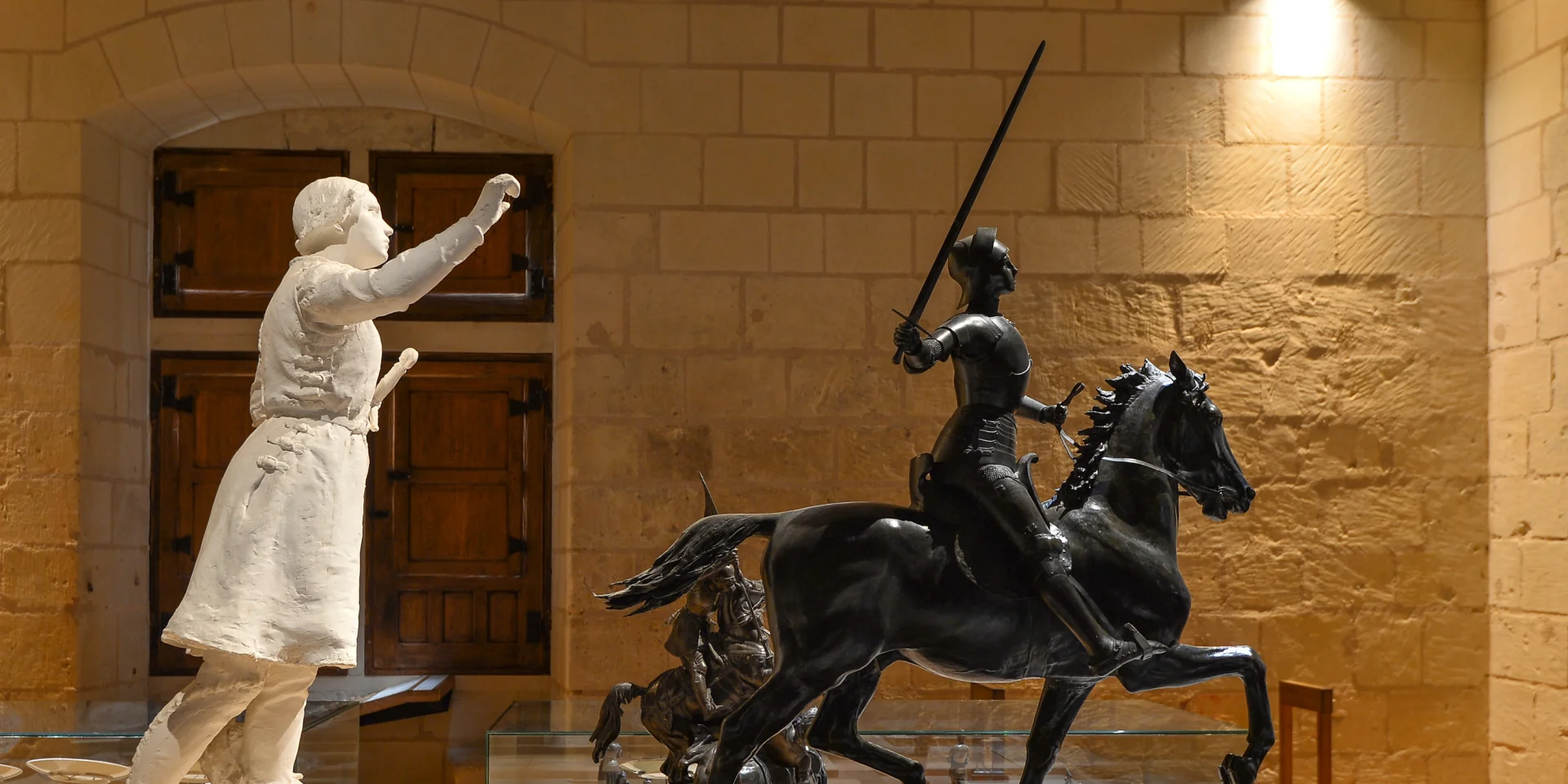
Jeanne d'Arc à Forteresse royale de ChinonJeanne d'Arc à Forteresse royale de Chinon
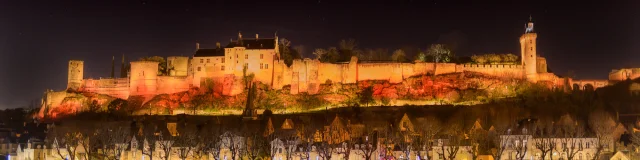
©Jeanne d'Arc à Forteresse royale de Chinon|CD37 - Leonard de Serres

Joan of Arc in Touraine In the footsteps of Joan of Arc in Touraine: an unforgettable historical journey

Follow the legendary trail of Joan of Arc, from the royal fortress of Chinon to the medieval streets of Tours and Loches. Immerse yourself in this unique historical epic through the emblematic places where the Maid of Orleans wrote the most beautiful pages of French history.

The historic meeting with the King in Chinon

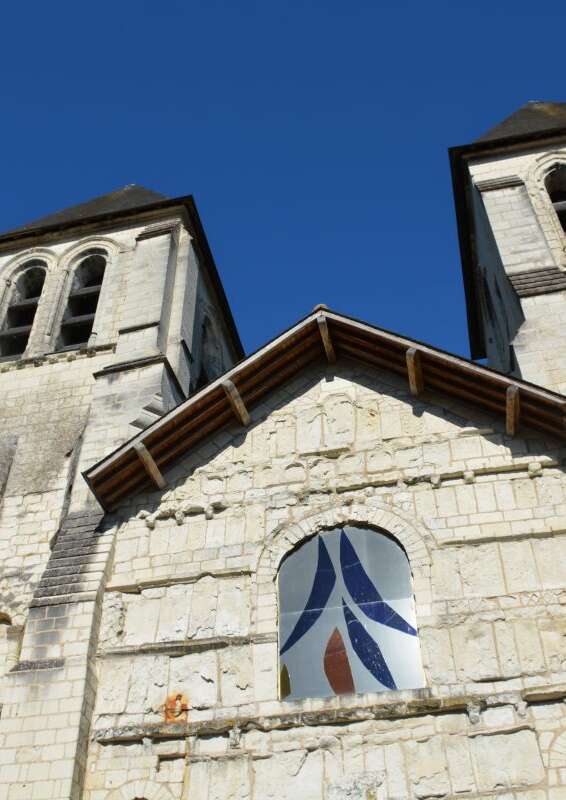
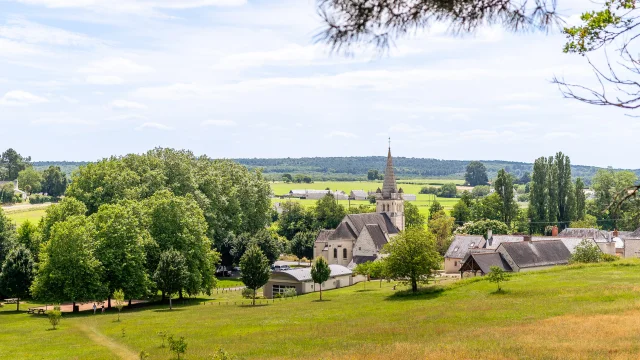
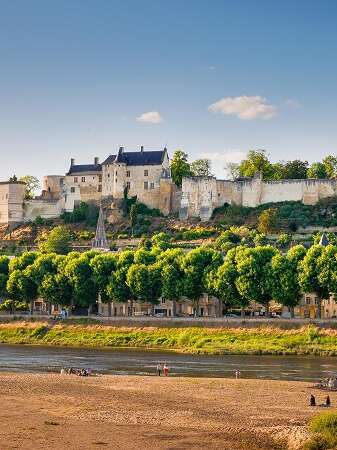
After eleven days on horseback, and after passing through Sainte Catherine de Fierbois, Ile Bouchard (where she is said to have dismounted in front of the Romanesque portal ofSaint-Gilles church, then attended high mass) and the banks of the Vienne, Joan of Arc arrived in Chinon on 23 February 1429.

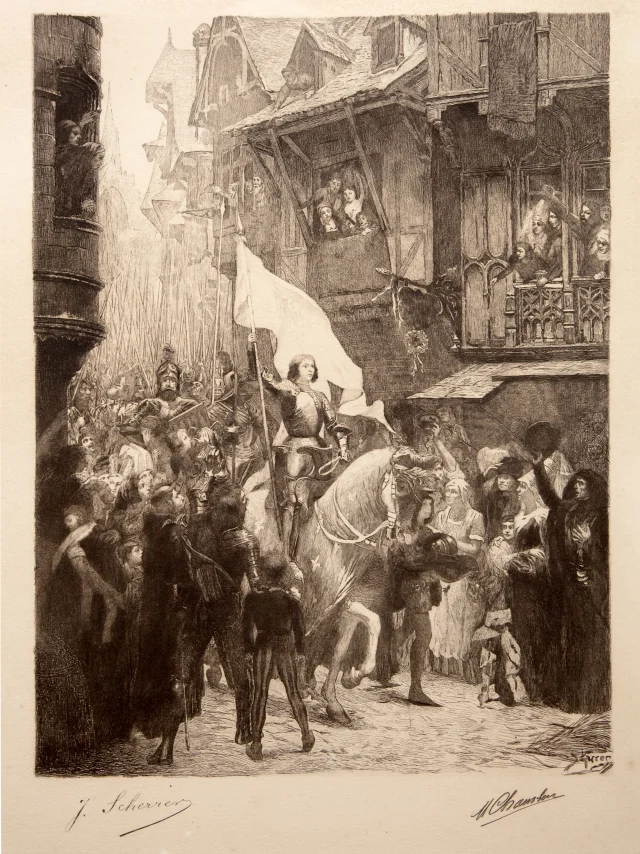
At the foot of what is now rue Jeanne d’Arc, below the royal fortress, a sign mentions that Joan of Arc dismounted at this point. 2 days later, she entered the great hall of the king’s private flats: a shocking first encounter during which the young shepherdess recognised Charles VII among his courtiers, despite her attempt to hide in the crowd.

Yolande d’Aragon, the King’s mother-in-law, then supervised the examination of Jeanne’s virginity by an assembly of women. She then headed for Poitiers, where doctors of theology and advisors judged her good faith. On her return to Chinon between 27 March and 5 April, Joan presented the King with a gold crown as a sign of her promise to lead him to the coronation. The beginning of an epic that would see all La Pucelle’s promises fulfilled, from the siege of Orléans to driving the English out of France.
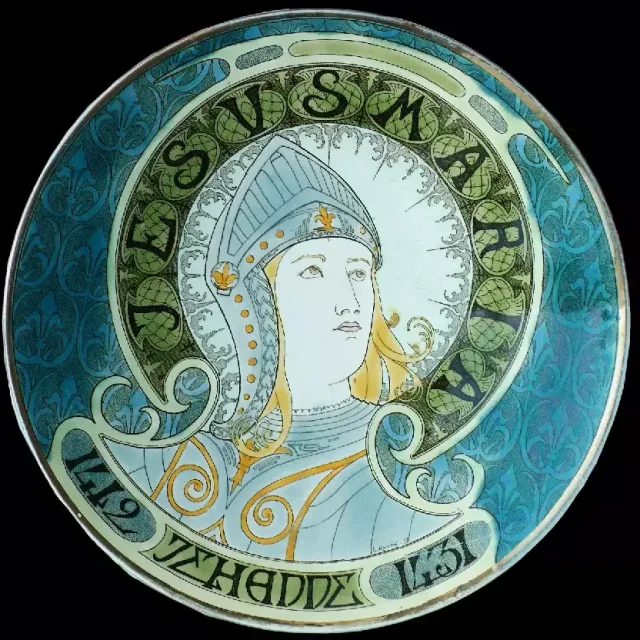
Why Chinon to meet Charles VII? and its many monuments

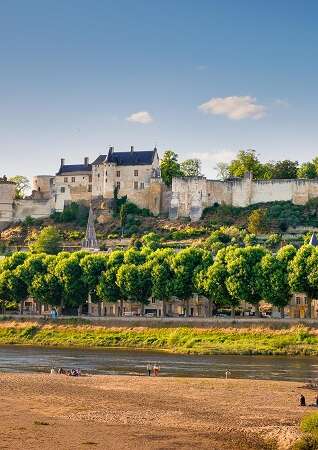
Do you know why this medieval city was the setting for this decisive meeting? Situated on the borders of Anjou, Poitou and Touraine, the royal fortress of Chinon offered an ideal refuge for the future sovereign, whose kingdom was partly controlled by the English and Burgundians. After crossing enemy lines from Vaucouleurs in February, it was in this royal dwelling that the divine messenger found him for his first meeting. In the Coudray keep where she was staying, a small committee organised by Yolande d’Aragon authenticated her virginity.

The castle’s strategic position, its high, protective walls and its great hall for audiences made it the perfect setting for this historic moment that would change the fate of the kingdom.

The secrets of the Royal City of Chinon

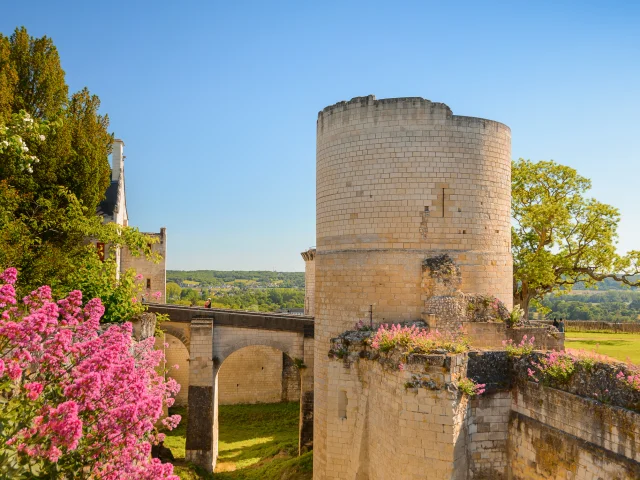
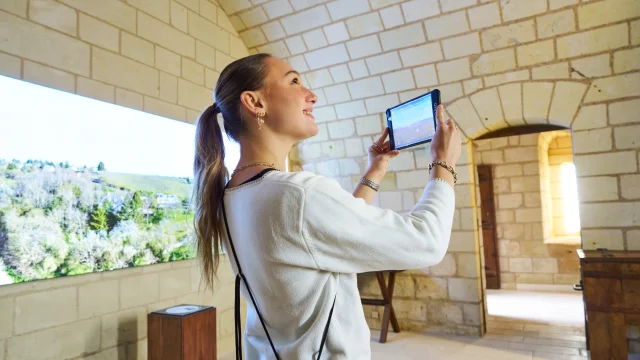
The great hall of the royal flats still preserves the memory of these historic moments. In front of the monumental fireplace, Charles VIIand Joan began a conversation that would prove decisive for the history of France. At the fortress reception desk, ask for the Histopad tablet: it will take you back to this mythical scene in augmented reality, transporting you to the heart of the year 1429. Then climb up to the Tour du Coudray, where Jeanne stayed. From the top of the ramparts, gaze out over the Vienne River winding its way through the vineyards, the same panorama that La Pucelle enjoyed during her meditations.

In the dwelling, don’t miss the reconstructed royal bedroom ofHenry II andEleanor, with its medieval atmosphere, a reminder of another key period in the history of this fortress.

The stables at Château du Rivau

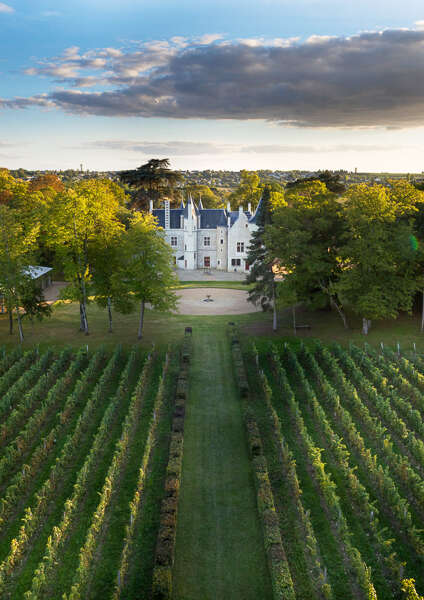
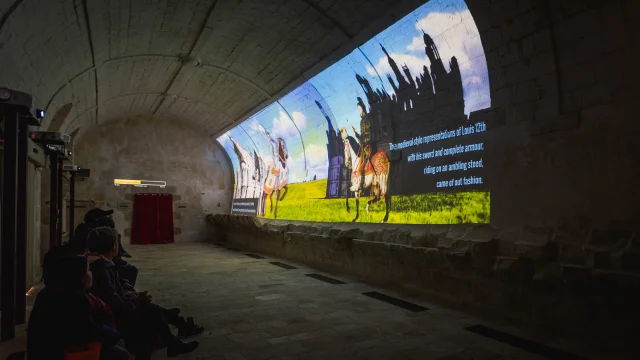
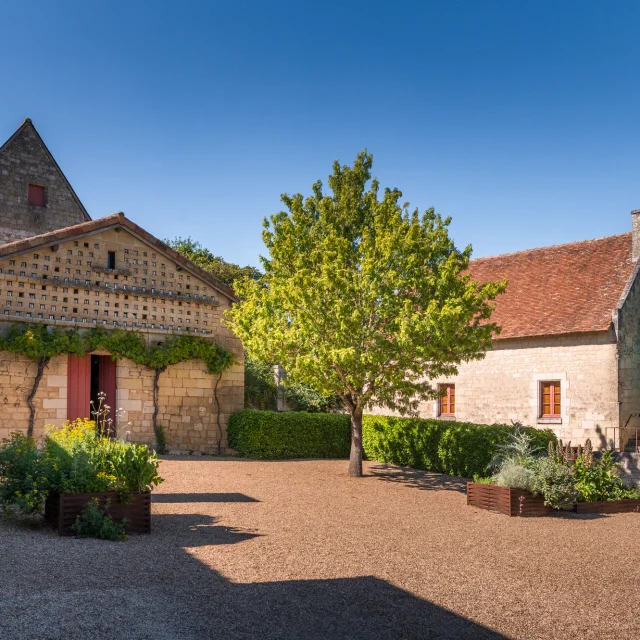
Plunge into the heart of history at this castle, where Joan of Arc and her comrades-in-arms stopped off in 1429 to stock up on horses on their glorious journey to Orléans. At the time, this castle belonging to the Lords of Beauvau was particularly renowned for the quality of its horses used in battle. Enjoy the immersive show projected in the historic stables, as well as the equestrian jousts organised every summer. Other things to do at Château du Rivau:
Joan's epic between Tours and Orléans In the footsteps of La Pucelle

As you stroll through the heart of old Tours, a commemorative plaque will no doubt catch your eye if you are curious enough to visit 15 rue Paul-Louis Courier (formerly rue des Carmes). This historic residence was once the home of Eléonore de la Pau and Jean du Puy, who welcomed La Pucelle for nearly a month under the protection of Queen Marie d’Anjou.

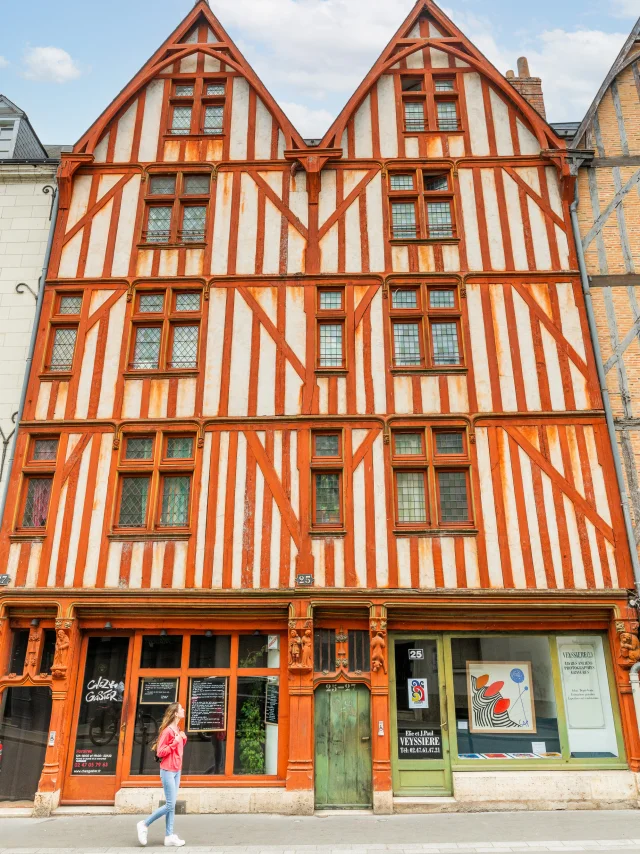
Much busier, rue Colbert features a number of half-timbered houses. A sign reading ” À la Pucelle Armée ” (” To the Pucelle Army “) adorns one of these pretty 16th-century houses, at number 39: it is the successor to the house where a craftsman is said to have made his armour. This is also where the Touraine artist Hennes Poulvoir painted his famous standard.

Equipped with her armour, as well as a sword discovered under the altar of a chapel in Sainte-Catherine-de-Fierbois (according to legend, Charles Martel’s), Joan joined the supply convoy on the Quai Paul Bert. On 25 April 1429, La Pucelle left Tours for Amboise and then Blois, where the royal army had regrouped… before the glorious liberation of Orléans!

A memorable stopover in Loches

Pass through the majestic Porte Royale at Loches, taking the same route as Joan of Arc on 22 May 1429. In the great hall of the Logis Royal, relive the crucial moment when La Pucelle, crowned by her victory at Orléans, convinced Charles VII to leave to be crowned in Reims.
Admire the room known as “Joan of Arc”, where the echoes of this decisive meeting can still be heard. A statue of the heroine now stands guard over the recumbent statue of Agnès Sorel in the collegiate church of Saint-Ours, a moving testimony to the bond between these two women who left their mark on the history of the kingdom.

Discover the unique collections of the Chancellery, where a permanent exhibition recounts this glorious page in the history of Loches.

The sword of Sainte-Catherine-de-Fierbois

On your way to Santiago de Compostela, take advantage of the stopover in Sainte-Catherine-de-Fierbois to have lunch at theAuberge Jeanne d’Arc, in a pretty building just a few metres from her statue and the church where Jeanne stopped to pray(Sainte-Catherine was one of the three voices heard by La Pucelle!) and where she retrieved her sword. Renewed in the 19th century, the stained glass windows produced by the Lobin workshop recall this episode. In the village, the Friends of Joan of Arc association brings the heroine’s epic to life every summer with a major medieval festival: Joan of Arc’s Sword!
In the footsteps of Joan of Arc in Touraine