Château d'Azay-le-RideauChâteau d'Azay-le-Rideau
©Château d'Azay-le-Rideau |ADT Touraine - Loïc Lagarde

Renaissance castles Jewels of the Loire Valley

Welcome to the Loire Valley, where we’re not just talking about châteaux, but masterpieces. Here, every stone tells the story of the French Renaissance and the grandiose visions of its sovereigns. As you explore these buildings, marvels such as Chenonceau and Azay-le-Rideau, follow in the footsteps of Francis I and Leonardo da Vinci, and discover how Renaissance châteaux became the epitome of French art and refinement.

Why do the châteaux of the Loire embody the Renaissance period?

The Renaissance: a period of historical and artistic change

The Renaissance was above all a revolution. While Europe was discovering the writings of antiquity, Italy was inspiring the most daring minds, and it was in the Loire Valley that François 1st wanted to establish this revival. He dreamt of a kingdom in the image of the great Italian courts, where architecture was more than functional: it was art. This desire to build sumptuous residences was part of a stylistic evolution marked by Italian influences and the genius of Leonardo da Vinci. The châteaux of the Loire then became prestigious places, reflecting art, thought and innovation.
How can you recognise the architectural features of a Renaissance château?

What distinguishes a Renaissance château?

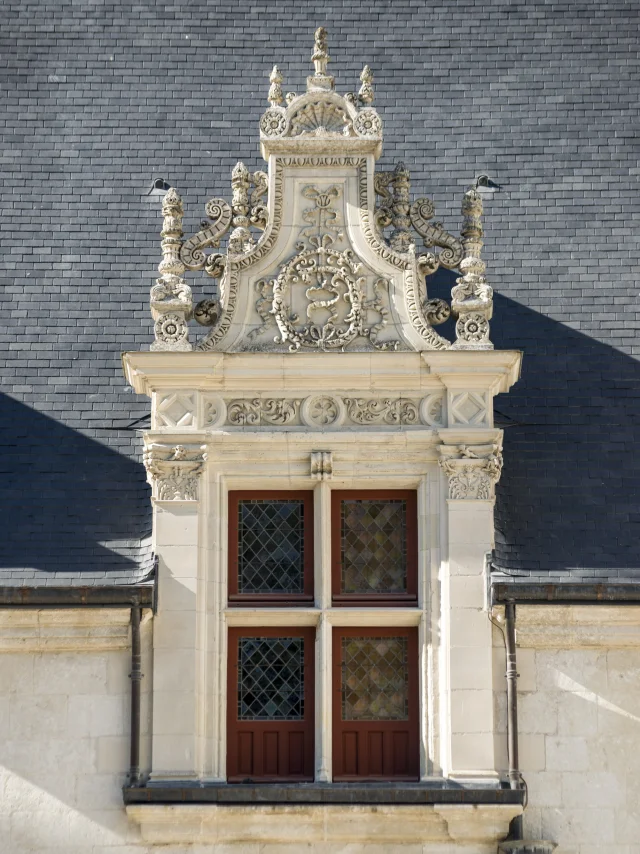
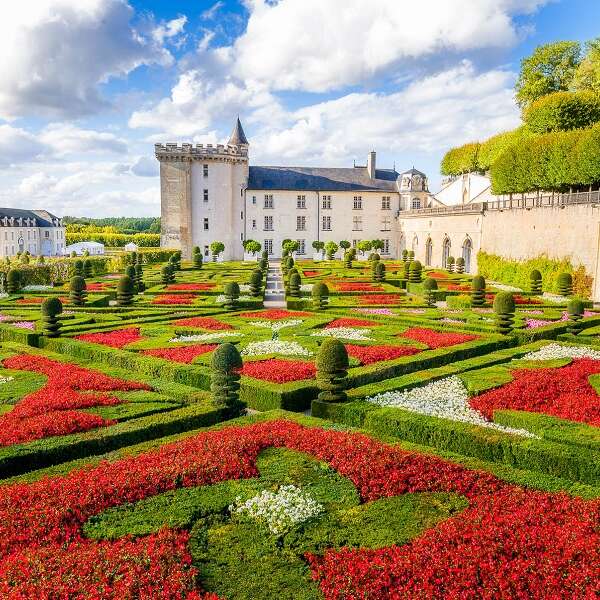
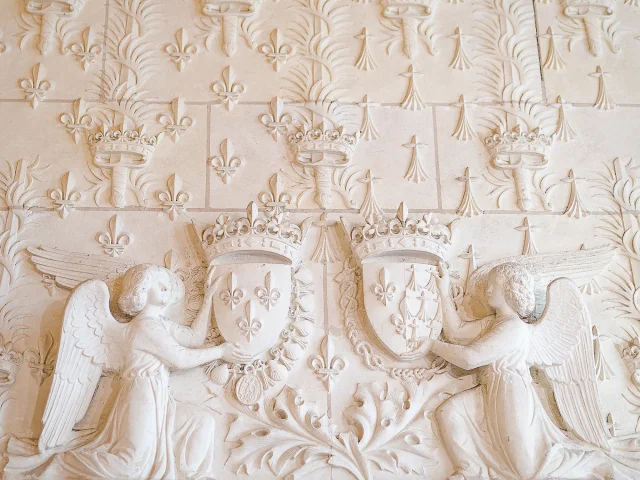
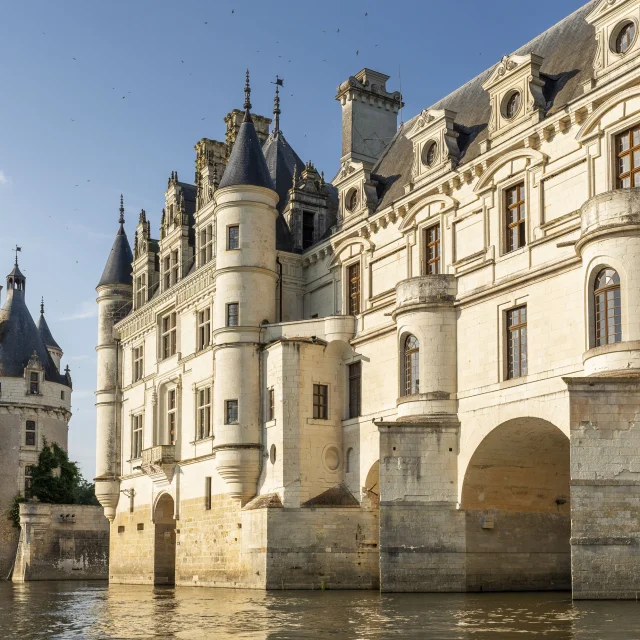
First and foremost, the style! Instead of defensive walls, there are small, harmoniously arranged windows, open, airy galleries and incredibly fine decorations. They offer uninterrupted views over the gardens, which have been designed as veritable outdoor living rooms. Sculptures adorn every corner, combining mythology and nature. Here, architecture serves both the useful and the pleasurable. You’ll also recognise these châteaux by their slender roofs, mullioned windows and abundant decorations that invite contemplation.
Touraine, land of renaissance(s)!

La Touraine, terre de renaissance(s) !

Château d’Azay-le-Rideau: a jewel of elegance

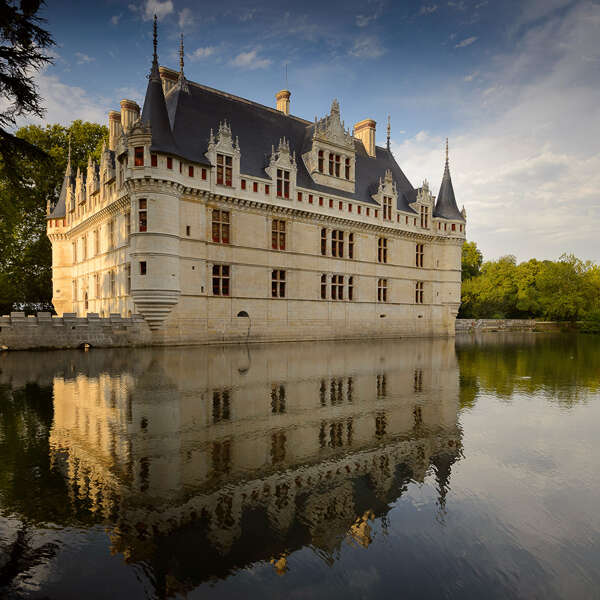
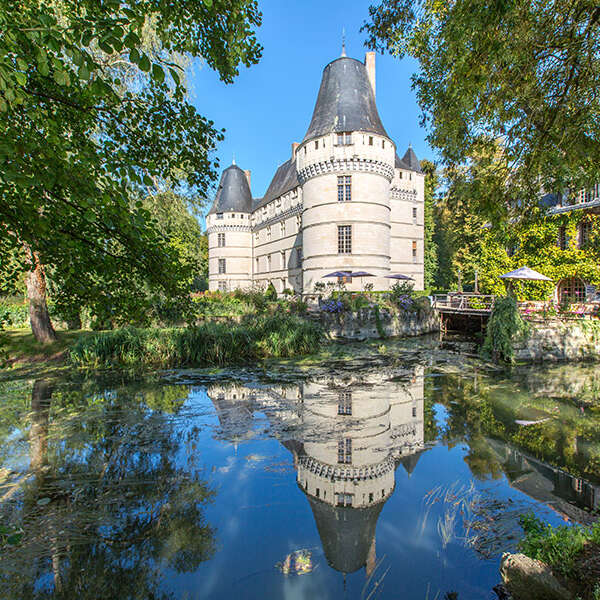
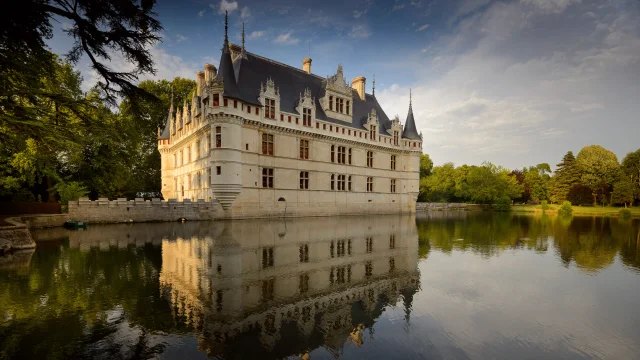
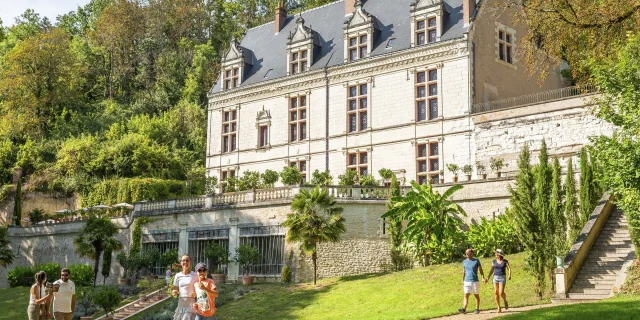
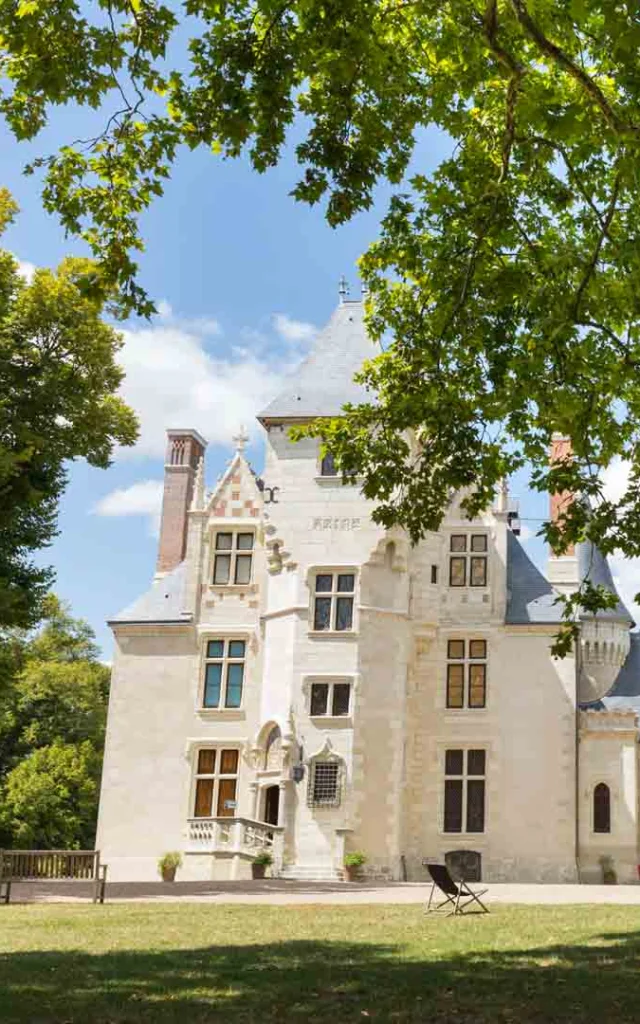
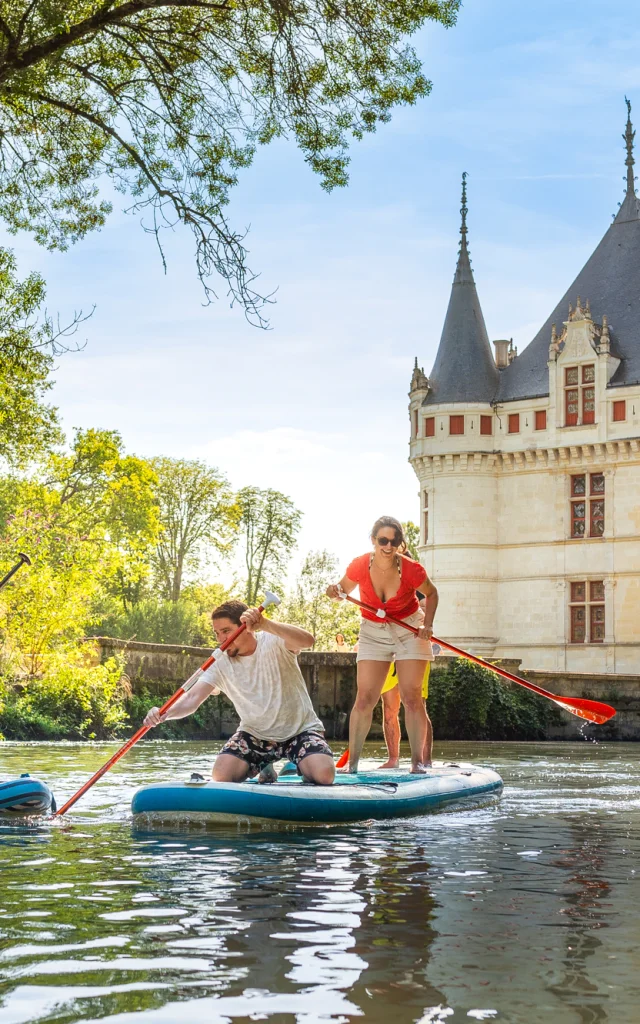
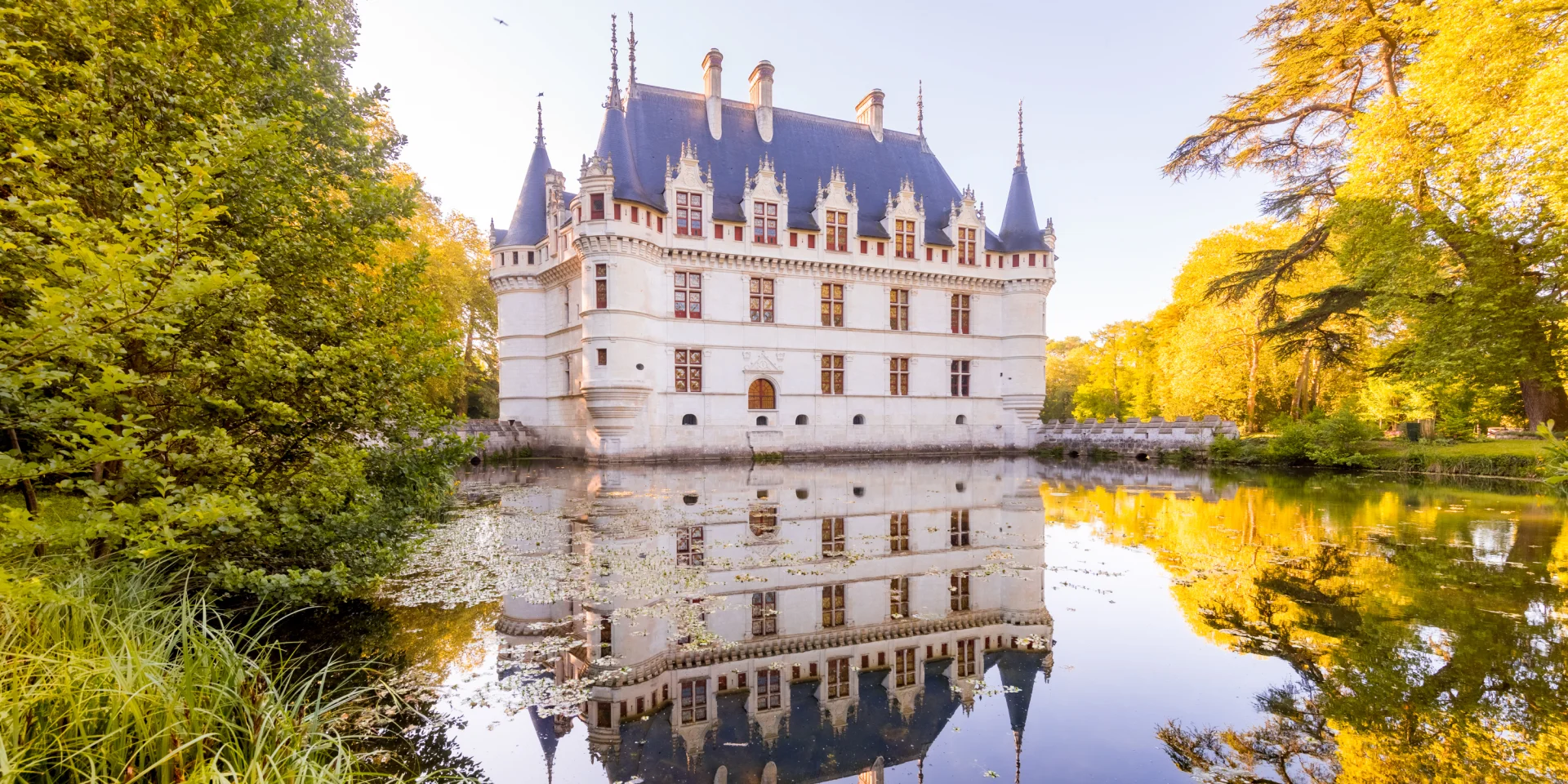
Among the Châteaux of the Loire, visit Azay-le-Rideau. Here, elegance is king. With its feet in the water, this château is a graceful reflection of the Renaissance style. Its small windows and delicate ornamentation make it a model of harmony. Walk through its galleries. You’ll find yourself imagining the festivities that took place here. Built under François 1st, it symbolises a more intimate stylistic evolution, where the finesse of the details counts as much as the power of the structures.

Chenonceau Castle

When Renaissance style meets nature

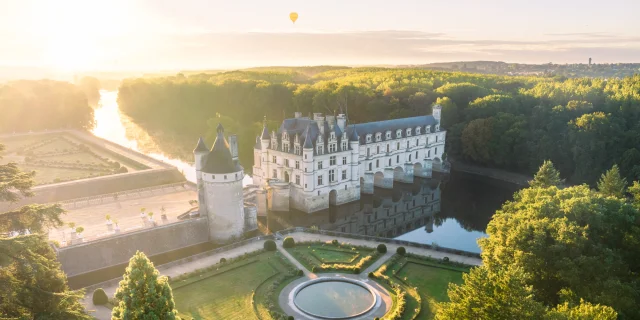
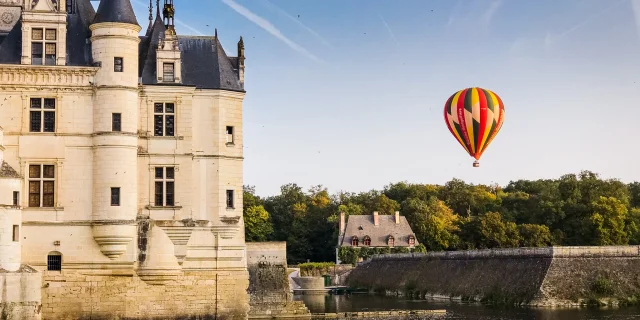
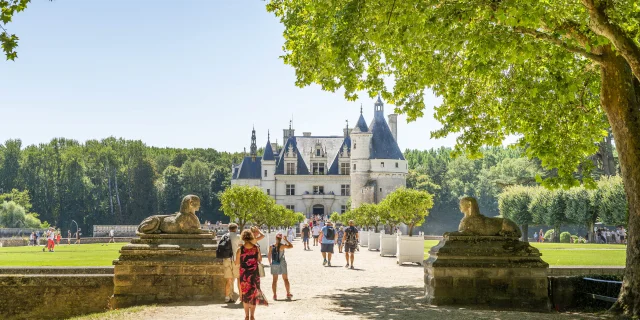
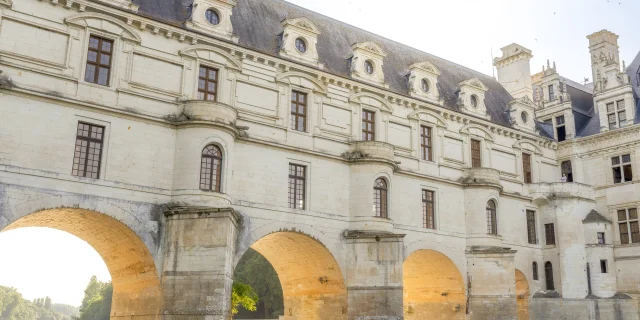
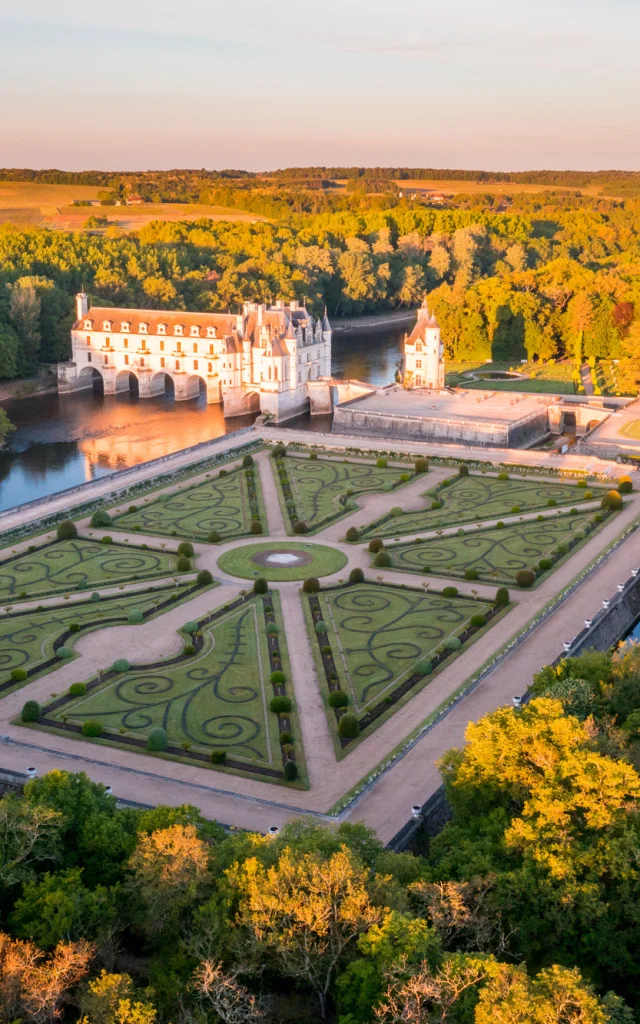
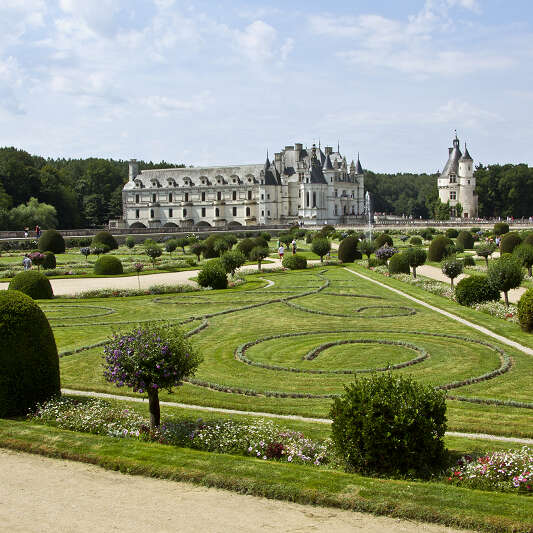
The Château de Chenonceau, nicknamed the “Ladies’ Château”, is one of a kind. It stands out for its bold architecture spanning the Cher, a technical and aesthetic feat of the French Renaissance. Stroll through the rooms, carefully decorated by Jean-François Boucher, floral scenographer and Meilleur Ouvrier de France, making it a must-see address for understanding the nobility of the Renaissance. Built and embellished by influential women such as Diane de Poitiers and Catherine de Médicis, Chenonceau is a tribute to the alliance of art and nature, a stylistic evolution where beauty rubs shoulders with functionality.

The influence of Leonardo da Vinci and Francis I on the châteaux of the Loire Valley

Francis 1st and his dream of grandeur

François 1st, a passionate and visionary king, was one of the first to see the Renaissance as an opportunity to elevate the Loire Valley to the rank of the most beautiful courts in Europe. He wanted châteaux that were both sumptuous and representative of a new art of living. Thanks to his ambitions, French architecture underwent a major stylistic evolution. The châteaux of the Loire Valley are the fruit of this dream, embodying the grandeur of his reign.

Leonardo da Vinci: the spirit of the Renaissance at the service of the King

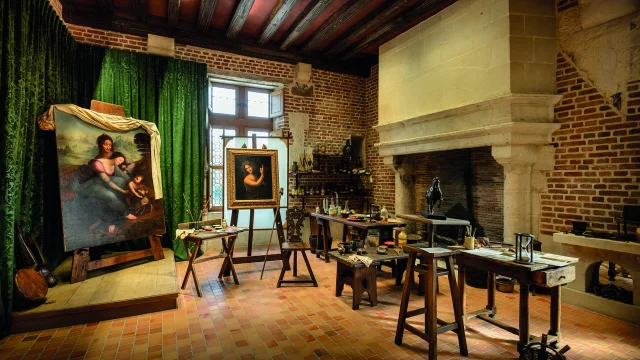
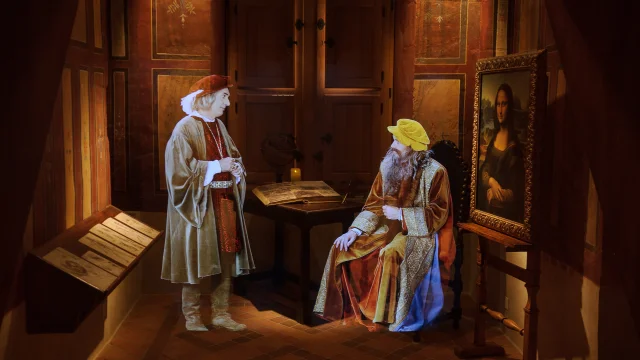
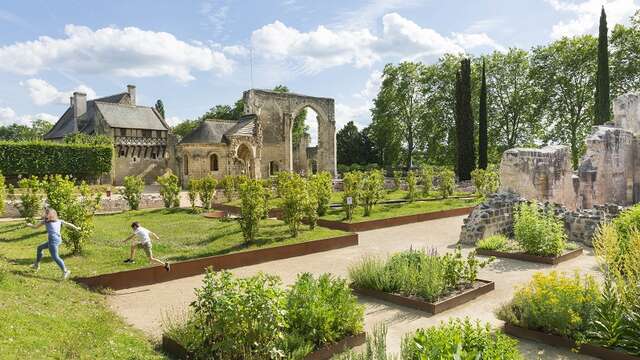
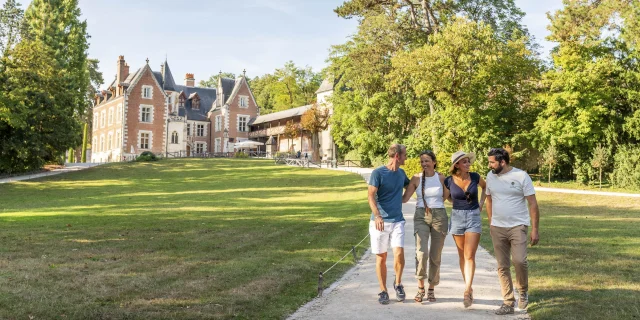
Invited by Francis I, Leonardo da Vinci spent the last years of his life at Le Clos Lucé, where he left an indelible mark. This versatile genius helped to influence not only the architecture, but also the spirit that animates each château. Between architectural innovations and artistic works, he left his mark on the French Renaissance in the Loire Valley, bringing a unique touch to the way people built and thought. You can still admire his sketches today, as well as reproductions of his models, which elegantly line the superb park surrounding the Château du Clos Lucé.
Which Renaissance castle houses the most collector’s items?

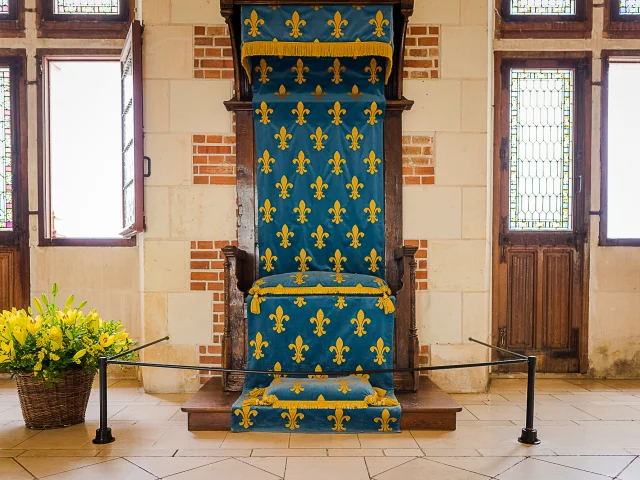
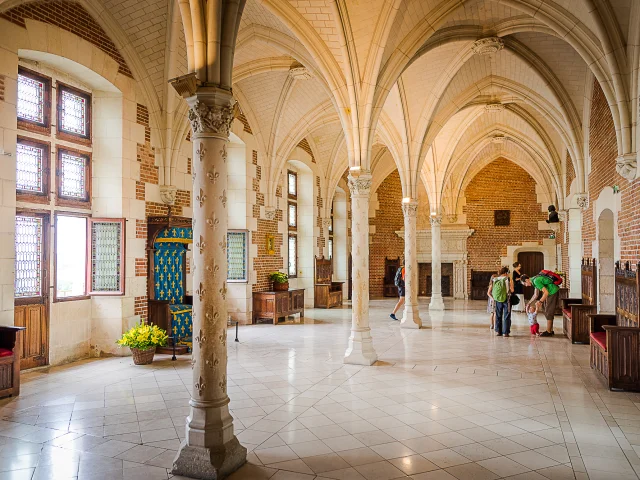
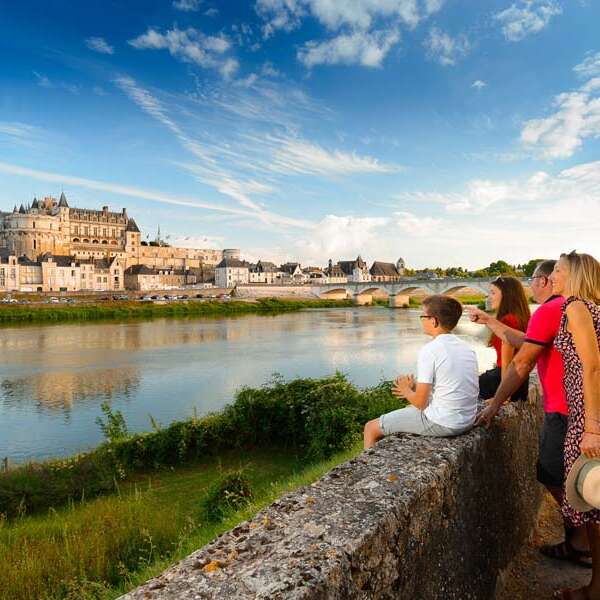
Beautiful Renaissance châteaux are not just architectural masterpieces; they are also veritable living museums. Among them, the Château Royal d’Amboise stands out for its collection of objets d’art, accumulated over the centuries. Tapestries, sculptures, period furniture… Each room is a journey through time. When you visit Amboise, immerse yourself in the sumptuous atmosphere of the court, surrounded by the symbols of the Renaissance. The château offers a unique opportunity to immerse yourself in the daily life of the sovereigns, and provides an invaluable insight into the cultural wealth of this period.

More info

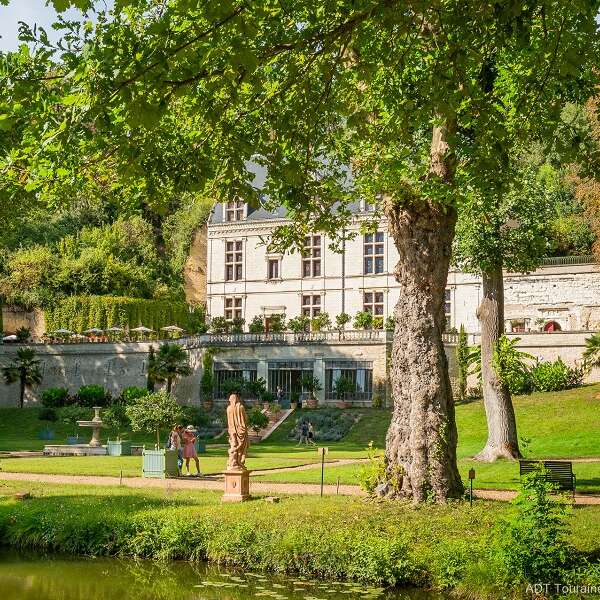
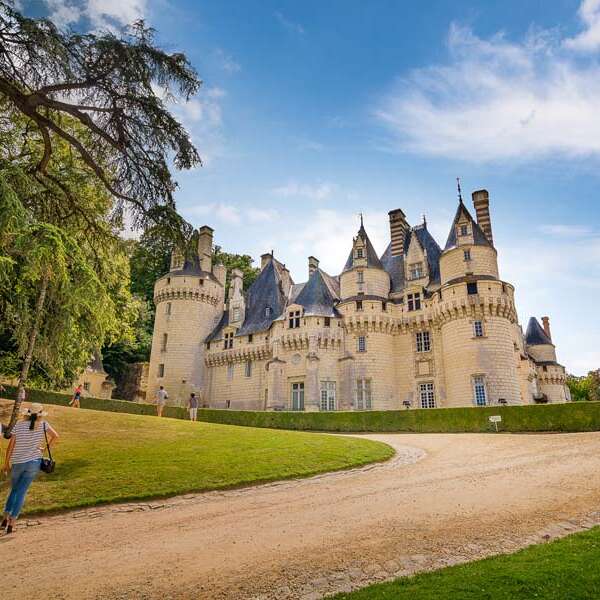
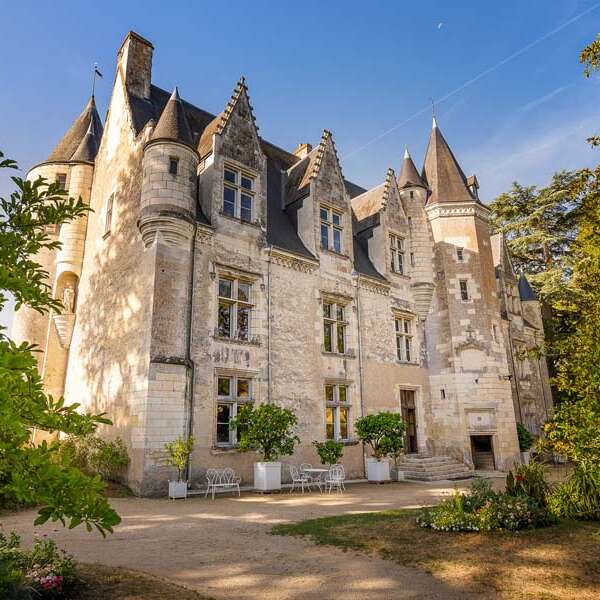
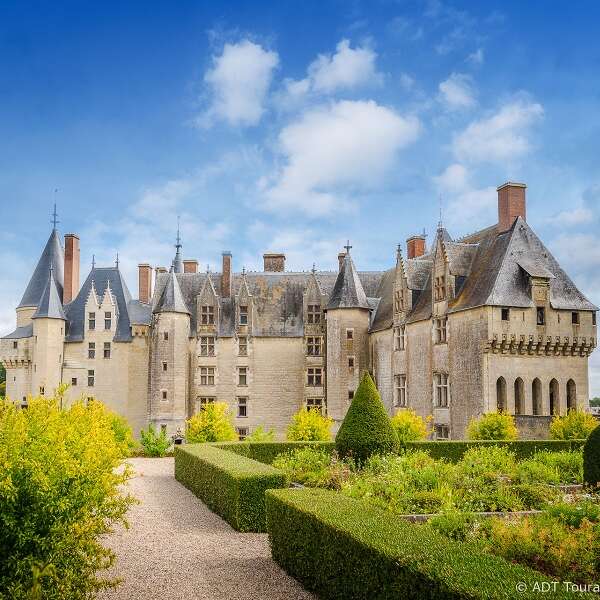
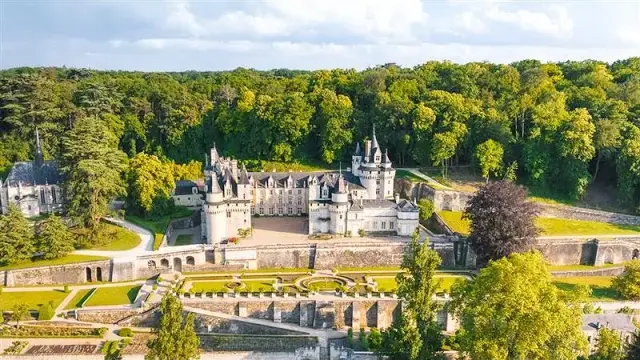
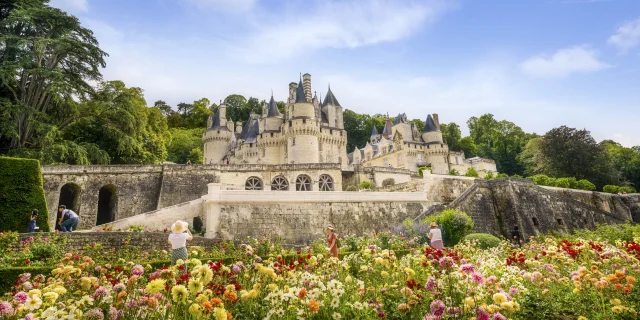
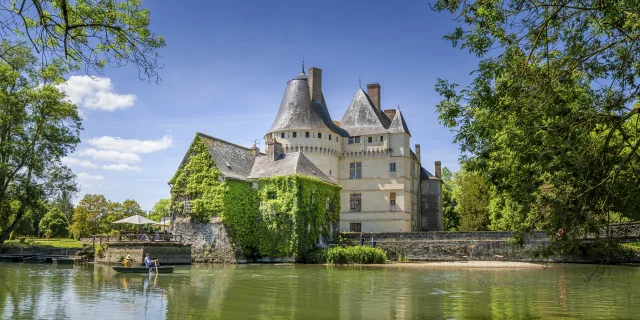
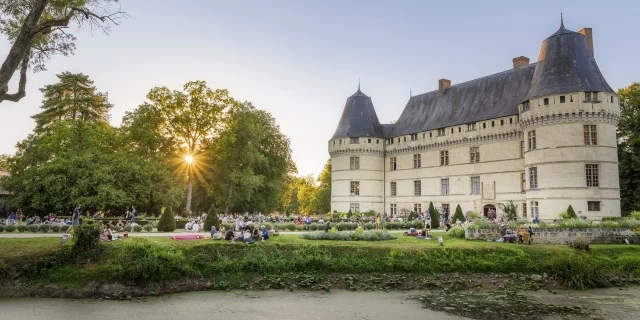
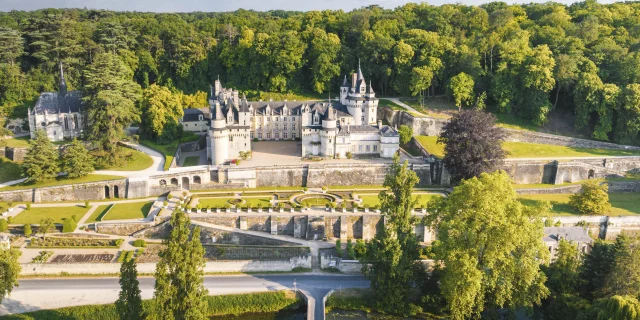
Amboise, le Clos Lucé, Château Gaillard, Chenonceau, Azay-le-Rideau, l’Islette,Villandry, Ussé, Langeais, le Rivau, Montrésor… all boast architectural details linking them to the Renaissance.

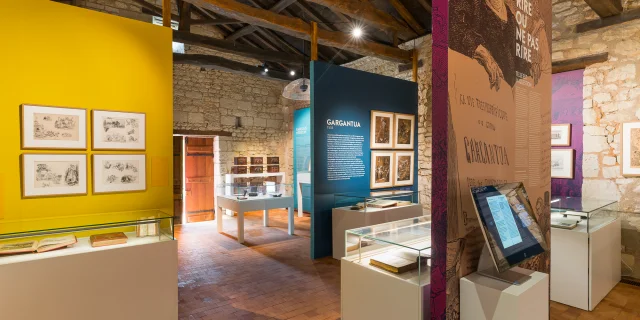
In Touraine, a visit to the Prieuré Saint Cosme will also give you the chance to discover the story of Pierre de Ronsard, a major figure in Renaissance poetic literature. The same goes for François Rabelais, at the Musée Rabelais!